April 29, 2026
•
5 min read

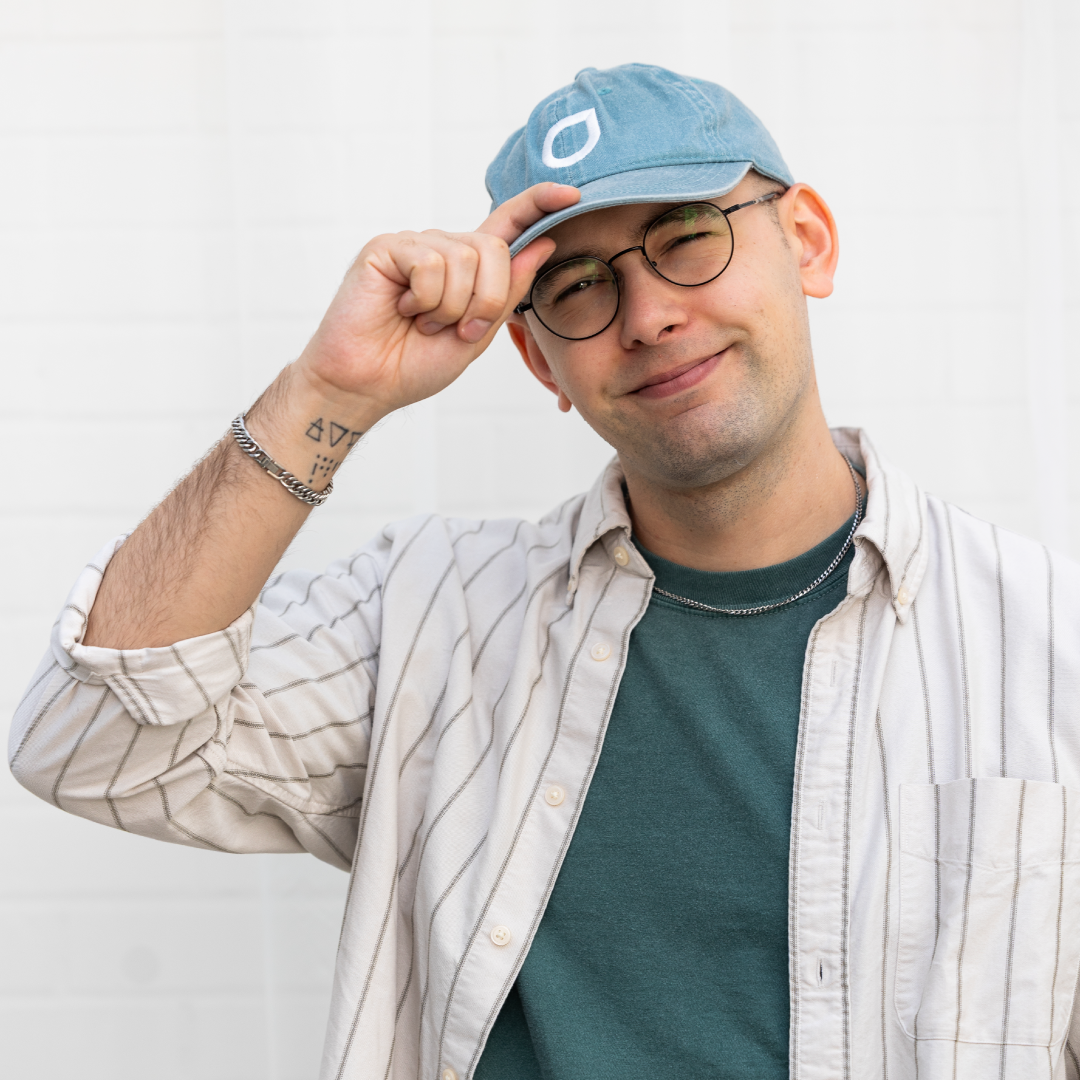
In 2021, Jack Hildick-Smith joined Ash as our Chief of Staff, bringing with him a deep background in infectious disease surveillance from the CDC and the Philadelphia Department of Public Health - see our 2021 interview with Jack.
Four years later, the landscape of healthcare has shifted dramatically. At-home testing has moved from a niche convenience to a strategic necessity for health plans and digital health providers. We caught up with Jack—now our Director of Operations—to discuss the Ash growth story, the complexities of scaling at-home lab tests, and why "trusting your gut" is a operational imperative.
Q: When Ash started, the team was smaller and focused exclusively on digital health partnerships. What are the biggest lessons you’ve learned as Ash has grown in both size and scope?
Jack: Labs are not tech companies. As we grow and partner with new labs to support larger markets, we learn new systems, processes and people.
The lack of standardization means we are constantly implementing new features in the Ash platform to perform the standardization work so that our customers get a consistent experience regardless of the processing lab. In the process we continue to learn how different organizations have approached processing, quality control and staffing management.
Q: You’ve grown alongside the company. What is something your "younger self" would be surprised by in this journey?
Jack: Sounds corny, but trust your gut. The home testing space is still a relatively young field but providing accessible testing is not. I started my career supporting testing infrastructure and the lessons are the same. Understanding your population, the risks and rewards of your service and being prepared to adapt.
If the data says that people are not interacting the way you expect, it is ok to change and adjust. Millions of kits later, we have learned so much but the fundamental methods of testing and learning are the same.
Q: How has STI treatment and screening improved since your early days in public health?
Jack: The shift toward "Treatment as Prevention" has been transformative. It allows people to stay negative, screen regularly, and avoid the panic of acute illness. By making solutions like full panel STI screenings more accessible at-home, people can stay negative and healthy without episodic panic.
Q: With your population health background, what do you see as the most persistent challenges for the future of healthcare?
Jack: Isolated solutions pulling people out of a primary care model. People want more ways to access care. Primary care needs to be ready for that.
I had a great interaction with my PCP last year where I brought him my results from a recent panel we were testing out. He quickly added them to my chart and used it to inform care decisions. It was awesome to see how easy it was to bring that care back into the office.
Q: What is the biggest challenge organizations face when implementing an at-home testing program?
Jack: Integration. We sit between multiple stakeholders with differing motives. Device manufacturers have built products that are rigorously tested in controlled environments, labs that have refined assays for accuracy and output, 3PLs [3rd party logistics providers] that have automated and perfected manufacturing.
Ash sits between it all. This means we have to do the work to standardize and integrate all this information. It also means we have been able to learn and adapt with the goals of each program to ensure the real world results match the expectations set by the industry.
Q: Speaking of industry expectations - you’ve worked with the CDC and the City of Philadelphia right? How does Ash maintain operational rigor compared to traditional lab visits?
Jack: In the scientific world we rely on designated experts and agencies to set the rules of the industry. In diagnostics, regardless of in office or at home, those experts are CLIA and CAP. They set the rules for accreditation and certification giving our labs the framework to validate the assays they run and ensure accuracy of testing.
Tech is a newer player in the diagnostics space and, while we have no authority to guide processing, Ash’s platform does allow us to monitor for trends in result data that might indicate concerning trends for a population or assay. This could be used by our partners to intervene on a program in real-time rather than waiting for a retrospective study on population data.
Q: All of this operations work, processing thousands of kits weekly, sounds pretty intense. How do you decompress?
Jack: I am a huge biology nerd. My partner and I love to go for walks to look for critters and plants in the woods around our home in the Hudson Valley. It feels like real life pokemon to find a new bug or flower we haven’t seen before!
Want to learn more about how Jack and the Operations team can scale your testing program? Connect with our team today.
Want to learn more about the Ash team? Check out our interviews with other Operations team members Eva Marsh, Patient Experience Manager and Divya Bharadwaj, Sr. Lab Network Manager. If you're interested in joining this team of doers and dreamers, check out Ash's open roles.
.jpg)

